July 10, 2026
Why Small Businesses Need Spanish Support in 2026
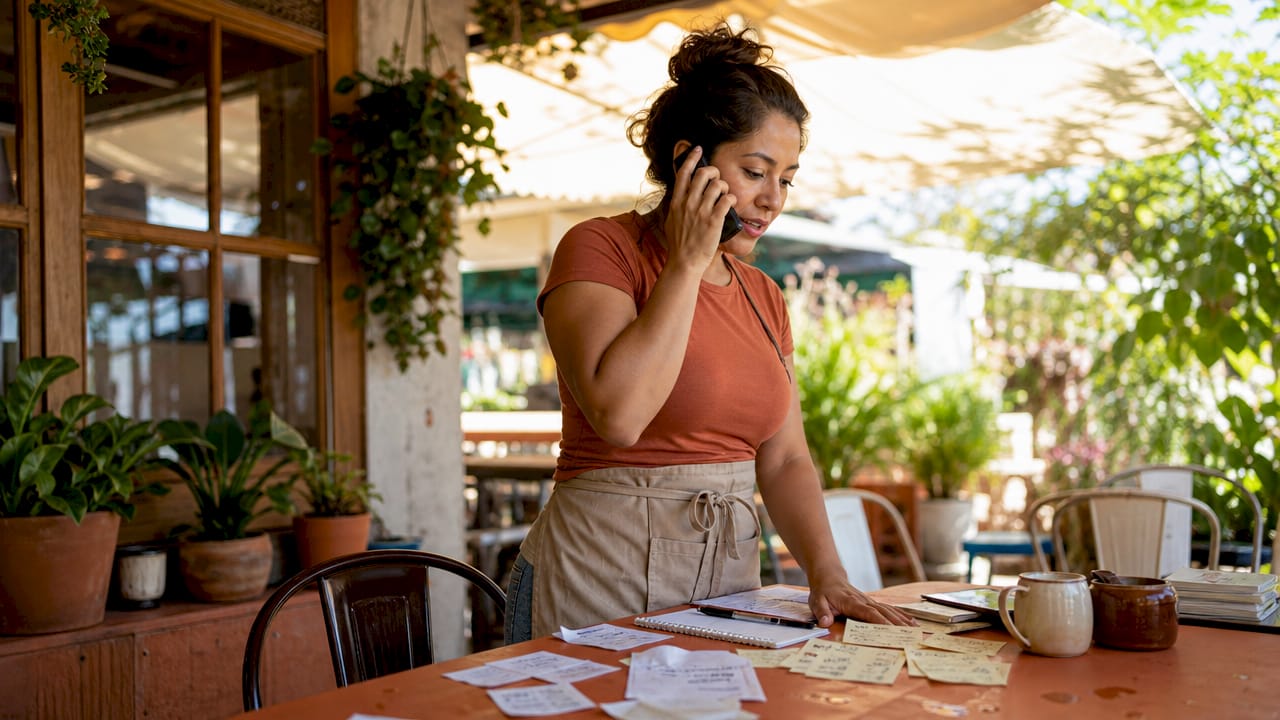
Spanish-language support is defined as the operational capability a business uses to communicate with Spanish-speaking clients in their native language, across every touchpoint from phone calls to websites. Understanding why small businesses need Spanish support starts with one number: over 42 million people in the United States speak Spanish at home. That makes Spanish the second most spoken language in the country, and it makes every English-only business a business that is actively turning away a massive customer base. The Hispanic market is not emerging. It is already here, and the businesses that treat bilingual service as a core capability, not an afterthought, are the ones growing.
Why small businesses need Spanish support: the business case
The financial argument for Spanish support is direct. Small businesses relying on English-only phone lines in metro areas lose at least $12,000 annually from missed leads and reduced customer lifetime value. That figure does not account for the compounding effect of word-of-mouth lost within tight-knit Hispanic communities.
The preference data is equally clear. 75% of Hispanic consumers prefer businesses that communicate in Spanish, even when those consumers are bilingual. That preference is not about ability. It is about trust. A client who can choose between two dentists, two attorneys, or two clinics will choose the one that speaks their language.
The role of Spanish in local business growth also shows up in conversion rates. Clients who receive support in their native language are more likely to complete a purchase, schedule an appointment, or sign a contract on the first contact. Bilingual support reduces the friction that kills leads before they become clients.
- Market reach: Spanish support opens your business to a segment that English-only competitors cannot serve well.
- Retention: Clients who feel understood stay longer and refer more often.
- First-contact resolution: Native-language support resolves issues faster, reducing repeat calls and staff time.
- Revenue protection: Answering every call in Spanish prevents the $12,000-plus annual leak that English-only lines create.
Pro Tip: Track your missed call rate by time of day. If you see clusters in the evening or on weekends, those are almost certainly Spanish-speaking clients calling after work hours who never get a callback.
How cultural nuance shapes effective Spanish support
Translation alone does not build trust. Effective Spanish market engagement requires localized messaging that accounts for regional dialects, cultural expectations, and business customs. A script written in neutral Spanish will land differently with a client from Oaxaca than with one from Buenos Aires or Madrid.

The vocabulary differences between Mexican, Argentine, and Spanish Spanish are real and significant. The word a Mexican client uses for a legal retainer is not the same word an Argentine client uses. Tone expectations differ too. Mexican Spanish business culture tends toward formality and deference in professional settings. Argentine Spanish often carries a warmer, more direct register. Generic translation layers miss these distinctions entirely, and clients notice.
The concept of confianza, meaning trust built through consistent, respectful, and personal interaction, is central to Hispanic business relationships. Building confianza through authentic agents and culturally aware interaction drives higher conversion rates than automated or purely translated services. A client who feels genuinely understood is far more likely to return and refer others.
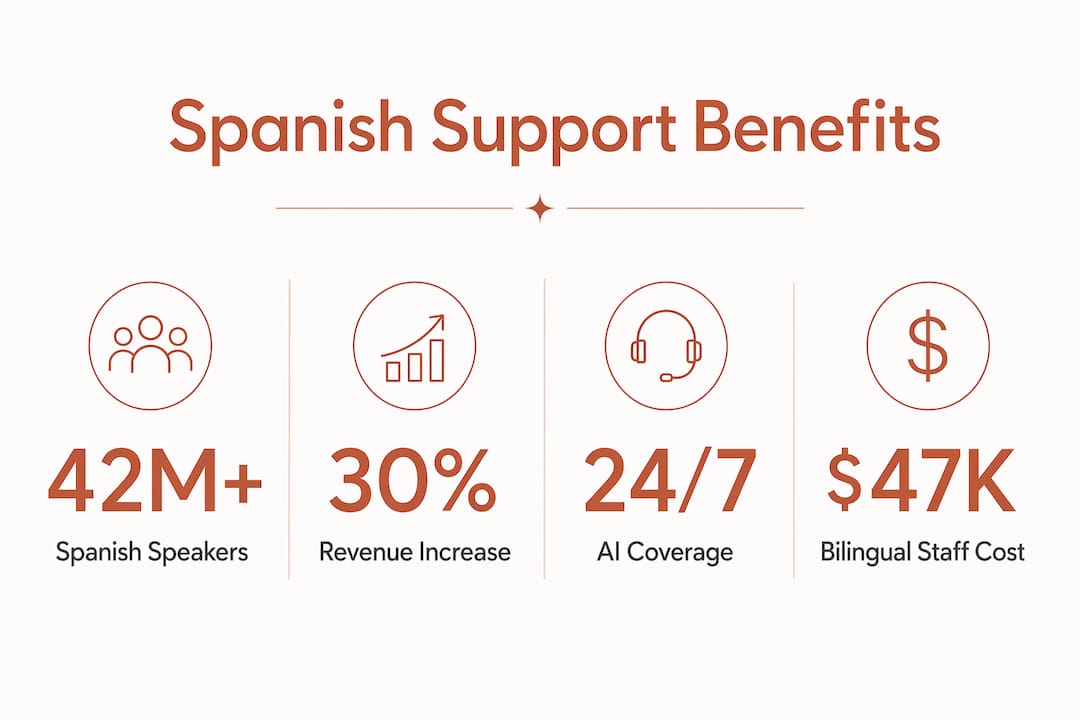
Authentic bilingual support requires separating language from culture and staffing the right agents for each linguistic market rather than relying on generic AI translation. The best approach combines AI efficiency for routine tasks with human agents who carry genuine cultural fluency for complex or sensitive interactions.
Pro Tip: When training bilingual staff or configuring an AI receptionist, specify the regional dialect your primary client base speaks. A dental practice in Los Angeles serves a predominantly Mexican-heritage population. A firm in Miami serves a largely Cuban and Venezuelan one. The vocabulary and tone should reflect that.
What challenges do small businesses face when adding Spanish support?
Cost is the first obstacle most small business owners name. Hiring qualified bilingual staff is expensive. The median receptionist salary plus a bilingual premium runs approximately $47,000 per year. For a solo practitioner or a two-person office, that figure is prohibitive.
Coverage is the second problem. A full-time bilingual receptionist works roughly 40 hours a week. Hispanic clients call in the evenings, on weekends, and during lunch hours. An after-hours missed call from a Spanish-speaking prospect is a lead that goes to whoever answers next, and that is often a competitor.
The good news is that technology has closed this gap significantly. Advanced AI bilingual assistants resolve approximately 80% of routine inquiries autonomously. That means appointment scheduling, basic FAQs, and intake questions get handled without a human agent, at any hour, in fluent Spanish.
Here is a practical path forward for small businesses:
- Audit your current gaps. Count missed calls, abandoned web chats, and unanswered WhatsApp messages over a 30-day period. That number is your baseline cost of inaction.
- Start with AI for routine coverage. Deploy a bilingual AI receptionist to handle after-hours calls and standard inquiries. This covers the majority of contact volume at a fraction of the cost of a full-time hire.
- Add human bilingual support for complex cases. Legal consultations, medical intake, and financial discussions benefit from a human agent with genuine cultural fluency. Remote bilingual staffing services make this affordable.
- Integrate WhatsApp. Hispanic clients in the United States use WhatsApp at rates far higher than the general population. A business that answers on WhatsApp in Spanish removes a major barrier to first contact.
The bilingual AI receptionist model is particularly well suited to small professional service firms because it scales without adding headcount. You get 24/7 Spanish coverage without a 24/7 payroll.
Which industries benefit most from Spanish support?
Healthcare, real estate, legal, logistics, and eCommerce are the sectors where Spanish support produces the clearest and fastest return. Each of these industries involves high-stakes decisions where language barriers create real harm, not just inconvenience.
- Healthcare and dental practices: Patient coordination, insurance questions, and appointment reminders require precise communication. A patient who cannot understand post-procedure instructions is a liability risk. A bilingual practice that handles scheduling in Spanish fills its calendar faster and sees fewer no-shows.
- Legal professionals: Attorneys serving immigration, family law, or personal injury clients work with a heavily Hispanic client base. A client who cannot explain their situation clearly in English will not hire a firm that cannot listen in Spanish. Diazluna’s bilingual support for attorneys addresses exactly this gap.
- Real estate agents and mortgage brokers: Home purchases are the largest financial decision most families make. Hispanic homeownership rates are rising. An agent who communicates fluently in Spanish throughout the transaction earns referrals that compound for years.
- Local service businesses: Plumbers, electricians, landscapers, and contractors serving Hispanic neighborhoods rely on community reputation. A single Spanish-speaking client who has a great experience becomes a referral engine within their network.
- eCommerce businesses: Order status, returns, and product questions handled in Spanish reduce cart abandonment and increase repeat purchase rates among Hispanic shoppers.
The role of a bilingual business website matters here too. Spanish-speaking clients search in Spanish. A website that only exists in English is invisible to a significant share of local search traffic.
Key Takeaways
Small businesses that offer authentic Spanish support gain a measurable revenue and retention advantage over English-only competitors serving the same geographic market.
| Point | Details |
|---|---|
| Scale of the opportunity | Over 42 million U.S. Spanish speakers represent a customer base no small business can afford to ignore. |
| Cost of inaction | English-only businesses in metro areas lose at least $12,000 annually from missed Spanish-speaking leads. |
| Trust drives preference | 75% of Hispanic consumers prefer businesses that communicate in Spanish, even when they speak English. |
| AI closes the coverage gap | Bilingual AI assistants resolve approximately 80% of routine inquiries, making 24/7 Spanish coverage affordable. |
| Culture matters as much as language | Regional dialects and confianza-building practices determine whether Spanish support actually converts clients. |
What I’ve learned about Spanish support that most guides miss
Most articles on this topic treat Spanish support as a checkbox. Add a bilingual staff member, translate your website, done. That framing misses the point entirely.
The businesses I have seen succeed with Hispanic clients treat Spanish support as an operational commitment, not a feature. They configure their AI receptionists with the right regional dialect. They train their human staff on the cultural expectations of their specific client community. They answer WhatsApp messages within minutes because they know that is where their clients actually communicate.
The uncomfortable truth is that investing early in multilingual support creates competitive advantages that compound over time. The practice that builds a reputation in the local Hispanic community in 2026 will not need to advertise in 2028. Referrals do the work.
I also think the AI versus human debate is a false choice. The right model is AI for volume and coverage, human agents for complexity and sensitivity. A bilingual AI receptionist that handles 80% of calls frees your human staff to focus on the 20% of interactions where cultural fluency and empathy actually close the deal. That combination is what bilingual client loyalty actually looks like in practice.
The businesses that will own the Hispanic market in their local area are not the ones with the biggest budgets. They are the ones that showed up first, in Spanish, and made clients feel genuinely welcome.
— Francisco
How Diazluna helps small businesses serve Spanish-speaking clients
Small professional practices in dentistry, law, and healthcare face the same problem: they know they need Spanish support, but hiring, training, and managing bilingual staff is expensive and slow.
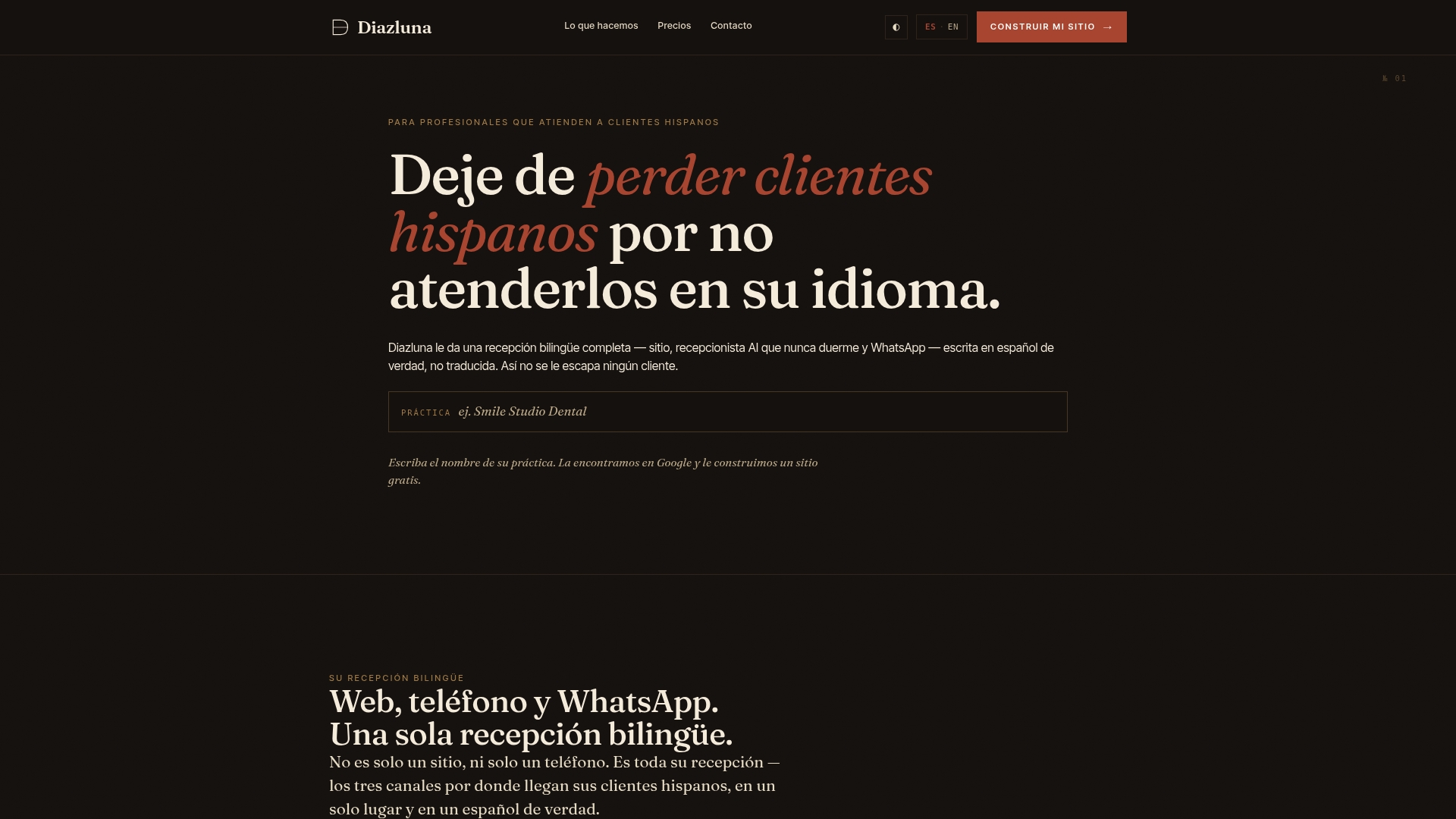
Diazluna solves this with a single package: a fully optimized bilingual website, a 24/7 AI receptionist fluent in both Spanish and English, and WhatsApp integration. All three work together so no Spanish-speaking client falls through the cracks, whether they call at 2:00 PM or 11:00 PM. The website indexes on Google within 24 hours. The AI receptionist answers immediately, in the right language, every time. Practices report a significant drop in lost leads after launch. See how Diazluna works and find out what your practice could stop losing.
FAQ
Why do small businesses lose Spanish-speaking clients?
Small businesses lose Spanish-speaking clients primarily because they cannot communicate in Spanish at the moment of first contact. A missed call or an English-only website sends that client to the next available option.
How much does it cost to add Spanish support?
A full-time bilingual receptionist costs approximately $47,000 per year. AI-powered bilingual services like those offered by Diazluna deliver comparable coverage at a fraction of that cost.
Does a Spanish website actually bring in more local clients?
A bilingual website captures local search traffic from Spanish-speaking clients who search in Spanish. Businesses without a Spanish-language site are simply not visible to that segment of local search.
What industries benefit most from Spanish customer support?
Healthcare, dental, legal, real estate, and local service businesses see the strongest returns because their services involve high-stakes decisions where language barriers directly cost them clients and revenue.
Is AI Spanish support as effective as a human bilingual receptionist?
AI bilingual assistants resolve approximately 80% of routine inquiries effectively. For complex or sensitive interactions, human agents with genuine cultural fluency remain the stronger choice. The best practices use both.